
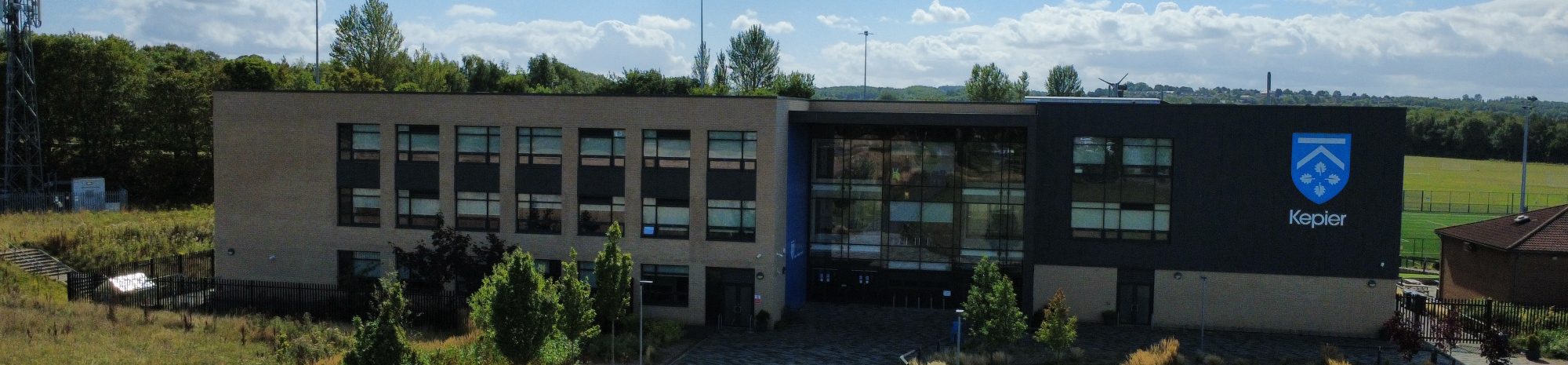
Kepier Academy to deliver ambitious new school transition programme
Houghton le Spring school awarded £181,284 by SHINE Sunderland
Kepier Academy in Houghton-le-Spring has been awarded £181,284 from the SHINE Sunderland fund to deliver an ambitious new programme designed to improve the transition from primary to secondary school.
The Kepier Transition Project will engage around 900 learners across seven primary schools, placing oracy – the ability to express oneself clearly and effectively through spoken language – and performing arts at the heart of its approach.
By combining drama, music, and storytelling, alongside strong personal support, the initiative aims to build learners’ confidence, communication skills, and resilience – essential ingredients for a successful start in secondary education.
The project will be delivered in collaboration with partner primary schools. These schools serve communities where deprivation and limited access to specialist resources, can make the transition to secondary school difficult.
The programme will be led by a newly appointed Transition Worker, supported by performing arts specialists and secondary staff, and will follow a structured 12-week model in Year 6 – the final year of primary school – with additional support continuing into Year 7.
Through creative activities such as expressive storytelling, role-play and music, the project will help learners develop the confidence and emotional readiness to thrive at Kepier.
“The hope is that the outcomes at GCSE are positively impacted by the interventions which take place in Years 5, 6, 7 and 8,” explained Assistant Headteacher Shaun Van-Lindon.
The project is closely aligned with the Voice 21 framework, a national oracy programme, previously funded by SHINE, which promotes the ability to speak and listen effectively in education and beyond.
For Shaun, the link between communication and life chances is clear.
“It’s absolutely pivotal to all aspects of life that children have that ability to communicate and interact with each other and with agencies and businesses,” he said. “That’s a fundamental skill.”
Kepier has long recognised the importance of expressive arts in its curriculum. However, while many children participate enthusiastically in performances and assemblies at primary school, that creative engagement can drop off in secondary education.
“A lot of children take part in performing arts in primary schools, particularly when they participate in things like leavers’ assemblies,” Shaun explained. “They come to secondary school and they don’t necessarily follow that through.
“The idea is that if you can develop performing arts areas of the curriculum alongside oracy and other cross-curricular links, then it will support a well-rounded individual.”
The new programme will see Kepier working closely with partner schools throughout Year 5 and Year 6, culminating in an intensive 12-week programme each summer term. Activities will take place both in primary settings and at Kepier, allowing learners to become familiar with secondary facilities and staff before they officially join in September.
“We are appointing a dedicated Transition Worker, line-managed by a current member of staff,” said Shaun.
“This member of the team will lead a series of events which take place both in the primary schools and at Kepier to ensure that there’s that transition not only for the learners at the back end of Year 6, but also so they get used to our school much earlier and have access to the specialist facilities we have within the school.”
Shaun believes this early and ongoing exposure will make a tangible difference to learners’ confidence, attendance and readiness for secondary learning.
The initiative also aims to enhance parental engagement, an area that can be difficult to sustain once children move to secondary school.
“I’m hoping that it will increase parental engagement because we will have a dedicated worker who’s working within the primary schools. They’ll be on the gates with the staff so the parents will already have that familiar face who’s a Kepier member of staff,” Shaun said. “That can make a big difference when those learners move up.”
He added that by supporting communication between schools and families earlier, the project should help address wider issues such as attendance and engagement.
“The earlier we can have some level of intervention to support positive attendance, the more it can impact outcomes at the end of Key Stage 4 in a positive way,” he said. “It involves a number of strands, but if we can get those strands right, we should end up with a comprehensive package that offers support but also gives rigour and the consistency.”
The longer-term ambition is for learners to move into secondary school with stronger communication skills, improved emotional resilience, and higher aspirations – not just in education but in their wider lives.
“What I hope to see is that we have a cohort of young people that display further confidence in social relationships and other elements of life,” Shaun reflected. “Ultimately, they’ll have the confidence to follow through on the performing arts curriculum and be prepared for the world of work, particularly within industries that are developing in Sunderland, within the film and performing arts.”
The SHINE Sunderland fund is investing £11 million over ten years to support education projects across the city. For Kepier, the funding represents a transformative opportunity.
“We’re delighted with the funding and very excited by the project because we know that it’s an area of school life we wanted to develop,” said Shaun. “This funding will give us the platform to launch it in a way that should be impactful – not just for SEND or Pupil Premium children, but accessible to all.”
Reflecting on the broader importance of SHINE’s investment, Headteacher Colin Devlin called it a “magnificent” opportunity for Sunderland: “It’s a very rare opportunity that schools would get that level of investment with very few strings attached,” he said.
“Sunderland is definitely the poor neighbour of the North East and the North East is the poor neighbour of England. This funding means that significantly disadvantaged learners across the city will be getting an advantage. It’s also hugely important that it’s not just one school which receiving this funding but schools across the city.”
Shaun added: “This is an outstanding opportunity to make sure that the young people of Sunderland have the best resources possible so they are able to compete fairly with young people from other parts of the country. The funding enables school leaders across Sunderland to explore opportunities for learners that would otherwise be out of reach. It turns our dream of what we could offer learners into reality – something we simply couldn’t achieve without this support.”